

If honeymooning must be done in love, nothing can substitute a honeymoon—a time when bride and groom unwind, comprehend each other still better, and get up to things that find their way permanently into their hearts for life. Foreign travel may sound enticing, but India has the most romantic and scenic honeymoon destinations that would be eclipsed by no foreign country. From serene hill stations and serene beaches, the country is just full of these hot and romantic places. See a well-researched portfolio of India’s Best honeymoon places in India, ideal for a romantic getaway! Lakshadweep Island Lakshadweep is a honeymoon heaven for the newlyweds who look for privacy, nature’s delights, and tranquillity. Blue transparent water, white sandy beaches, and gentle breezes make this island one of the perfect honeymoon places in India. Enjoy water sports, sail with sea-life companions, or enjoy the starry night – this island will be imprinted in one’s mind forever. Best time to visit Lakshadweep is from October to May Goa: Sun, Sand, and Romance Goa is one of the best honeymoon destinations in India and a heaven of bliss and ecstasy. Goa’s stunning beaches, such as Calangute, Anjuna, and Vagator, have Goa’s nights engulfed in partying, isolated beach huts, and peaceful resorts. You can sunbathe or go to a nightclub with your loved one on a beach; Goa is romance turned into reality for any couple. It’s often included in some of the best honeymoon packages in India. The best time to visit in Goa is November to February Also Read: The Perfect 3-Day Goa Itinerary: Ultimate Guide for 2025 Coorg: Nature Lover’s Paradise If both of you are nature lovers, then visit Karnataka’s Coorg (Kodagu). The misty hills of Coorg, coffee plantations, and beautiful views all around make Coorg a loving paradise. Experience trekking and boat rides on the serene river. Makes It is one of the best honeymoon places in India if you love nature and want to get away from the crowd. Best time to visit in Coorg is October to March Dalhousie: Retro Chic Dalhousie, Himachal Pradesh, surrounded by the hills, is a honeymooners’ paradise. Its old-world appearance, serene atmosphere, and couples’ love walks within pine forests make it one of the best honeymoon destinations in India. This hill station is the best place for couples to spend a secluded and romantic honeymoon. Even lengthy late-night walks in nature, serene evenings out with your love—Dalhousie is the place where love can reside. Best time to visit Dalhousie is March to May and October to December Darjeeling Darjeeling is India’s favourite honeymoon place in India, which everyone loves for the Himalayan vistas, rolling tea estates, and toy train. Bask in the sun during the day, taste the finest of Darjeeling tea, and drool over the wee colonial houses. The view of the Kanchenjunga summit provides an extra touch to the romantic and scenic atmosphere. Best time to visit Darjeeling is March to May and October to December Also Read: Travel To Darjeeling: Travel Guide Kodaikanal: A Picture-Perfect Hill Station Proudly famous for peaceful lakes and love hills, Tamil Nadu’s Kodaikanal stands out as one of the best honeymoon destinations in India. It’s an ideal couple’s pair as much for nature lovers. Spin your quality time wheel, go for a love boat ride on the lake, or go for a leisurely walk in pine forests. Kodaikanal is the kind of resort where love birds are going to enjoy making memories. Best time to visit in Kodaikanal is October to March Kerala: God’s Own Country Kerala has it all, be it peaceful backwaters or breathtaking hill stations. Alleppey’s miracle houseboats, Munnar’s green grasslands, and Kovalam’s beaches are more than enough to make Kerala a world-class honeymoon destination in India. Just imagine floating over backwaters, living in a houseboat, or soaking in the culture and cuisine of Kochi—Kerala is paradise for couples. Best time to visit Kerala is from October to March Khajuraho: A Historical Romance Madhya Pradesh’s Khajuraho itself is a honeymoon place in India with its attractive temples and attractive erotic sculptures. Ideal for people who are interested in history, architecture, and culture, the place is the ideal blend of religiosity and romance. Its attractive temples and monuments will give you chills. Best time to visit Khajuraho is from October to March Shillong: Scotland of the East Shillong is a city in Meghalaya, and it has a stunningly beautiful climate and a paradise view with heavenly beautiful landscape paintings created out of lakes, waterfalls, and hills. Shillong is also known as “Scotland of the East” as it is a paradise-like place away from humans, hence, it is an ideal tourist destination for couples to reside amidst nature. Best time to visit Shillong is from March to June and September to November Udaipur: The City of Lakes and Palaces Udaipur, the state of Rajasthan, is a city of kings, abounded with a touch of magic and is India’s ultimate romantic honeymoon place. Udaipur’s calm lakes, the palace of the king, and the royal resorts are the royal accommodations of each honeymooner. Getting sun-kissed while boat sailing on Lake Pichola by watching the sunrise or a sightseeing tour in City Palace would be any pair’s fantasy. The best time to visit Udaipur is September to March Also Read: A Guide of Udaipur: The City of Lakes Andaman & Nicobar Islands: The Paradise Andaman and Nicobar Islands are best for couples to create romance and want privacy in a beach honeymoon. White beaches, blue seas, and healthy coral reefs create the islander paradise in sight for couples. Snorkeling, diving, or lying idle on the beach, the Andamans are the best honeymoon destinations in India. Best time to visit the Andaman and Nicobar Islands is October to May Jammu & Kashmir: Heaven on Earth Jammu and Kashmir, with blue and green lakes, grazing meadows, and snow-covered mountains, is as romantic as one can ever be in India. A boat ride on a
Month: April 2025

Top 10 Best Hill Stations in India to Escape the Summer Heat
When summer’s intense heat becomes unbearable, there’s no better solution than to escape to India’s cool and beautiful hill stations. If you want to feel a connection with nature, seek adventure, or want relaxation, these destinations offer more than just respite from the heated sun. Below, I provided a curated list of the best hill stations in India, where you can cool off and enjoy some much-needed respite: S.No. Hill Station State Best Time to Visit 1 Manali Himachal Pradesh May to July 2 Darjeeling West Bengal April to June 3 Ooty Tamil Nadu March to June 4 Munnar Kerala April to June 5 Shimla Himachal Pradesh May to June 6 Nainital Uttarakhand March to June 7 Coorg (Kodagu) Karnataka March to May 8 Shillong Meghalaya April to June 9 Mount Abu Rajasthan March to June 10 Tawang Arunachal Pradesh March to October 1. Manali, Himachal Pradesh Manali, a popular hill station in Himachal Pradesh, is the ultimate summer getaway, packed with snow-capped peaks, adventure sports, and cozy mountain cafés. Known for its breathtaking views of the Himalayas and serene landscapes, Manali is a must-visit for nature lovers and adventure seekers alike. Whether you’re looking for a romantic hill station or an adventure-packed destination, Manali has it all. Why Visit: Manali offers snow-dusted peaks, adventure sports, and romantic vibes. Whether you’re into skiing in winter or trekking during the summer months, it’s the best hill station to visit in summer. Enjoy the charming cafes in Old Manali for a relaxed afternoon amidst the beautiful mountain backdrop. Things to Do: Rohtang Pass (for snow sports and adventure enthusiasts) Solang Valley (try paragliding, skiing, and zorbing) River rafting in Beas River Café-hopping in Old Manali, soaking in mountain views Best Time: May to July is the best time to visit, when the weather is perfect for sightseeing and outdoor activities. Travel Tip: Book your Rohtang Pass permits in advance, as they are limited and fill up quickly. Also Read: Manali Travel Blog: Where to Go, Mall Road Tips & More 2. Darjeeling, West Bengal Known as the “Queen of the Hills,” Darjeeling in West Bengal is famous for its lush tea gardens, colonial charm, and heart-taking views of the Kanchenjunga range. It’s one of the best hill stations in India for a peaceful retreat or an immersive cultural experience. Why Visit: Darjeeling is a blend of colonial history, stunning views, and rich tea culture. This picturesque hill station in West Bengal offers not just breathtaking landscapes but a chance to experience the rich heritage of tea plantations. Things to Do: You can ride on the Darjeeling Himalayan Railway (UNESCO World Heritage site) Must visit Tiger Hill for a memorable sunrise view of the Himalayas Explore and taste local, freshly brewed Darjeeling tea from tea estates Walk on the Chowrasta Mall and shop for local handicrafts Best Time: April to June is the best time to visit for pleasant weather and clear skies. Travel Tip: Do not miss the sunrise at Tiger Hill for a panoramic view of the Himalayas. Also Read: Travel To Darjeeling: Travel Guide 3. Ooty, Tamil Nadu Ooty, located in the Nilgiri Hills, is one of the best hill stations in South India. Known for its lush gardens and cool weather, Ooty offers a beautiful escape from the heat of the plains. Also called the “Queen of the Nilgiris,” it’s the best place for nature lovers and honeymooners. Why Visit: Ooty is known for its lush green gardens, cool climate, and beautiful views. It is one of the best hill stations in India for honeymooners, offering a romantic getaway amidst beautiful lakes and hills. Things to Do: Ride on the Nilgiri Mountain Railway (UNESCO World Heritage site) Explore Ooty Lake and enjoy boating Visit the Botanical Gardens and Rose Garden Explore the tea plantations and discover the history of Ooty’s tea making Best Time: March to June is the ideal time to visit for pleasant weather and cool breezes. Travel Tip: Don’t miss out on the delicious homemade chocolates sold at the local markets! Also Read: Ooty Travel Blog: Our Incredible 3-day Trip 4. Munnar, Kerala Munnar, located in the Western Ghats of Kerala, is a paradise of tea plantations, misty hills, and heart-taking views. One of the best hill stations in India, it’s perfect for adventure seekers who want to explore lush greenery, wildlife, and tranquil landscapes. Why Visit: Munnar offers rolling tea plantations, mist-covered hills, and cool weather, making it the perfect retreat for nature lovers and adventure enthusiasts. It is also known as one of the best hill stations in South India. Things to Do: Visit the Tea Museum and learn about the region’s tea history Explore Eravikulam National Park and spot the Nilgiri Tahr Enjoy boating at Mattupetty Dam Hike to Anamudi Peak, the highest point in South India Best Time: April to June is the best time to visit, when the weather is ideal for sightseeing. Travel Tip: Try to visit early in the morning to experience the mist and fresh air in its full glory. 5. Shimla, Himachal Pradesh Shimla, the capital of Himachal Pradesh, is one of the most popular hill stations in India. Famous for its colonial architecture, pleasant weather, and scenic views of the Himalayas, Shimla is perfect for families, honeymooners, and those seeking a peaceful retreat in the hills. Why Visit: Shimla is known for its colonial charm, beautiful Mall Road, and stunning views of the Himalayas. It’s a perfect destination for both leisure and adventure, making it one of the best hill stations in India for families. Things to Do: Take the toy train from Kalka to Shimla Explore Mall Road for shopping and local food Visit Jakhoo Temple and enjoy a scenic hike Visit Kufri for adventure activities like skiing and tobogganing Best Time: May to June is the best time to visit for pleasant weather and sightseeing. Travel Tip: Explore Mall Road for local handicrafts and street food, which are some of Shimla’s top attractions.

Aloo Ke Gutke (Pahari Aloo Gutuk)
If you’ve ever traveled down the hill terrain of Uttarakhand, you would be aware that the experience is as rare as the place itself. Among all the good experiences, a halt at a roadside tea stall for snacks is one experience that one can in no way live without. One of the food items that I would always patiently wait for at such road journeys was Aloo Ke Gutke — a no-frills yet actually quite decent snack that happened to be an overnight sensation on day one itself. This Kumaoni dish, whose soft, well-spiced potatoes are always flavored like a delicacy, is traditionally served with Pahadi Kheere ka Raita and green chutney. Whether served on a hot cup of tea or as a part of regular meals, Aloo Ke Gutke can become such a dish that it makes someone a hit. And the best part? It is very simple to prepare! About Aloo Ke Gutke The name’s a giveaway — “Aloo” translates to potatoes, and “Gutke” translates to pieces. In Kumaoni, it also refers to “pieces” or “chunks” of potato. This’s a rapid stir-fry by deep-frying boiled potatoes in a cast-iron kadai using run-of-the-mill Indian spices. The result is crispy, golden brown outside and soft, delicious potatoes inside. Aloo Ke Gutke is typically served along with Mandua ki Roti, Dal, and Bhatt Chutney as a side in Kumaon. However, the clincher here is the raita that comes along with it. The pungent potatoes and the refrigerated raita are impossible to substitute anything for! Trip Down Memory Lane I still remember the sheen of tea stalls on road sides where we made a brief halt in between our continuous highway journeys to the plains. There, the roadside vendors used to provide free Aloo Ke Gutke and accompanied by the whitest Pahadi Kheer ka Raita. I would never tire of spicier and sour potato bites with the soothing raita, which is prepared from yogurt. The road trip snack nostalgia lingered with me, and when I started preparing, I was thinking, why not recreate the entire magic right here in my kitchen? With a bit of trial and testing, I was finally able to get the best recipe. And here it is, today, what I wish to introduce you to. It is perfect for an unexpected side dish or snack and delivers a flavor of Kumaon right to your doorstep. The Secret to the Perfection of Aloo Ke Gutke The success of Aloo Ke Gutke is all dependent on good ingredients and cooking. The best way to cook this dish is in a cast-iron pan — it browns the potatoes beautifully and gives them a very powerful smoky flavor, something that is very hard to give using any other pan. And this is how to do it: Ingredients: Potatoes: Try using the Pahadi potatoes if you can. These carry a special sweetness that gives the dish its identity. But use plain potatoes if you cannot lay your hands on these. Baby potatoes are okay too — simply halve them. Spices: You will need turmeric powder, red chili powder, and coriander powder. These are standard Indian spices, and they will work for that hint of spiciness and flavor. Mustard Oil: To get the real taste, mustard oil is your go-to. If not easily available, any cooking oil can be used. Other Ingredients: Brown mustard seeds, cumin seeds, dry red chilies, green chilies, salt, and fresh coriander (cilantro) for garnish. And if you can procure Jambu, a local Kumaoni spice, add half a teaspoon of it. It has a mild onion-chives flavor. Do not worry, however, if you cannot procure it — it is an optional spice. How to Prepare Aloo Ke Gutke Boil the Potatoes: Wash 300g potatoes and add them to a pressure cooker with 2 cups of water. High-flame pressure cook for 2 whistles. Allow pressure to decrease naturally. Once cooled down, remove the potato skin and dice the potatoes small, into ½-inch-sized cubes. Cook Sabji: Heat 2 tsp mustard oil in a karahi made of iron on medium-high heat. Place the ingredients given below into hot oil and stir-fry for about 8-10 seconds: 1 teaspoon brown mustard seeds 1 teaspoon cumin seeds ½ teaspoon jambu (optional) 2 whole dry red chilies 1 teaspoon green chilies (chopped) Add the potatoes, which have been cubed, and toss well to coat with spices and oil. Add the Spice Powders: Stir in 1 teaspoon coriander powder ½ teaspoon turmeric powder ½ teaspoon Kashmiri red chili powder ½ teaspoon salt Mix well and reduce the heat to low. Cover the skillet with a tight-fitting lid. Char and Cook the Potatoes: Boil the potatoes for 12-15 minutes, turning them at equal intervals. The concept here is to cook them in a way that they turn out to be tender, crispy, and golden brown. Sprinkle with salt to taste. Serve with coriander leaves. Tips for a Perfect Dish Mustard Oil: For the actual flavor, never forget mustard oil. Its pungency and rich flavor provide the dish with an added bite. Slow Cooking: Boil the potatoes on low heat after adding spices. This makes the potatoes absorb all the spices and get nicely blackened. Green Chilies: Take the amount of green chilies based on your spice level. I like a little spice, but you can use less if you want it extra spicy. Serving and Enjoying Serve hot Aloo Ke Gutke with green chutney or Pahadi Kheere ka Raita as a side dish. Alternatively, serve with a spicy mandua ki roti and dal as well. Storing Leftovers Don’t fret if you do end up with leftovers! Aloo Ke Gutke will store in a fridge in an airtight container for 3-4 days. Reheat using a pan or microwave and serve. This recipe is so home-like, with visions of home, journey by road, and the simple life in the Kumaon hills. As a side dish or even as a snack, I am sure this recipe is going to provide you

Gulgule Recipe | Pua Recipe (Gulgula)
If you’re in the mood for something crunchy, sweet, and hot, Gulgule (or Pua or Pooda, if calling some of North India) is where you’re going. These little doughnut-like snack foods are golden inside and crispy outside. They’re just the perfect accompaniment to steaming hot Chai—just what you’ll be having on lazy rainy days or drizzly afternoons. You can prepare this yummy but not very complicated dessert at home within 25 minutes. Here you can see the gulgule recipe (gulgula). Why Is Gulgule Special So what is their secret to such lightness and sweetness? Mashed bananas are one of the most crucial ingredients in making these gulgule soft and light. They add a light hint of sweetness that is just ideal when balanced by a touch of fennel seeds. Don’t fret if you can’t lay your hands on bananas—this recipe is adaptable enough, and I shall demonstrate how! I learned about making Gulgule from my mother about 8 years ago when we were still living in Delhi. In those days, the family members would get together and enjoy hot, crispy doughnuts on rainy days. The fragrance of the sweet fragrance of rain-filled air that came afterwards always used to be an awesome experience with relatives. Gulgula vs. Malpua: What’s the Difference? Although of the same category, gulgula and malpua are two distinct dishes. This is a very short summary: Gulgula: Frittered or doughnut-like, crispy on the outside and soft on the inside. Slightly sweet because of fennel seeds, but not because of sugar syrup. Malpua: Pancake pan-fried but sugar syrup-dipped, thus a bit sweeter than Gulgule. Both are tasty, with Gulgule being lighter in flavor and texture! Ingredients for the gulgule recipe Preparation of Gulgula is very small, and I am confident you would already have all the ingredients prepared at home. These are the ingredients that you will require: Bananas: They add a good softness to the Gulgule. Bananas are not available, then omit them or increase water and sugar in the batter. Jaggery/Sugar: I have used jaggery for emotional reasons, but you may also use white sugar. Whole Wheat Flour: Nutty flavor, but not if you replace it with the all-purpose flour. Fennel Seeds: That heavenly spice which imparts anise-y sweetness and magic that transforms plain Gulgule into drool-worthiness. Green Cardamom Powder: Floral sweetness. Baking Powder: Lightness! Do not use to make your Gulgule heavy. Use to make your Gulgule light. Water: Use to reach your batter at the right consistency. Oil: For frying. Use a neutral oil like sunflower or avocado. Gulgule (Pua) making Ready to prepare these teeny tasty bites, are you? Just follow how below, step by step. Prepare the Batter 1. Mash the Bananas: Mix ½ cup mashed banana and 6 tbsp sugar (or jaggery) together in a bowl. Beat well with the assistance of a vegetable masher or a fork till the sugar dissolves. 2. Dry ingredient blend: Add the following to the banana blend: 1 cup whole wheat flour 1 teaspoon fennel seeds ¼ teaspoon green cardamom powder (optional) ½ teaspoon baking powder Pinch of salt 3. Batter Mix: Add water gradually, ½ cup at a time, and mix very well. The batter should be thinner than the pakoda batter, but not too thin. Add 8-11 tablespoons of water, depending on the flour. Don’t mix it too much because it becomes thick. Deep-fry the Gulgule Heat the Oil: In a deep pan or kadai, heat enough oil to deep-fry the gulgule. The oil should be hot but not smoking—around 350-375°F (177-190°C). To test if it’s ready, drop a small piece of batter into the oil. If it rises steadily, you’re good to go! Throw Batter: Spoonful by spoonful, spoon batter into hot oil with a spoon. Don’t get the pan too full, or they won’t cook properly. Cook 8-12 at a time, depending on the size of the pan. User Halfway Flip the Gulgule: Halfway flip the gulgules when gulgules are golden bottom side. During frying, the gulgules enlarge, so turn them not quite fast but round and round to complete frying uniformly. Excess Oil Drain: Drain gulgules and put them on paper towels when they become golden brown and crisp, and drain excess oil off them using a slotted spoon. Serve and Enjoy! Gulgule tastes delicious when served hot. Serve them with your favorite Masala Chai or Ginger Chai as the ideal tea-time snack. Alternatively, serve them with Rabri (sweet milk) or Rice Kheer as a treat. Expert Tips for Perfect Gulgule To ensure that your gulgule turns out just right every time, the following is what you should know: Don’t Over-Mix: The batter should not be over-mixed, or it will create gluten, and the gulgule will not be light but heavy. Maintain Water Ratio: In case of using finely ground wheat flour, keep it in proportion to water. Take 8 tablespoons and keep the proportion in mind. Maintain hot oil: Oil should be hot at 350-375°F. Too hot, gulgule burnt on the outside but not cooked within. At extremely low temperatures, the batter will get stuck in the pan. Fry in batches: Do not fill the pan with too much batter. Fry 8-12 gulgule in batches so that they get cooked evenly. Baking Powder for fluff: To give the gulgule a very fluffy texture, use 1 tsp baking powder. Alternate Cooking Method: Cook otherwise by cooking in an appe pan (aebleskiver pan) with little oil or in ghee for intense flavor. Final Thoughts Gulgule is an excellent snack that’s delicious as well as very easy to make. Be it preparing them for a celebration like Diwali or Holi, or just for an afternoon snack, they’ll make everyone smile everywhere. The hard exterior and soft interior ensure every bite is the perfect mix of texture and taste. Then try this recipe, and enjoy your home-made Gulgule and a cup of chai—your taste buds will be forever grateful! Also Read: Easy Dal Baati Churma Recipe: Step-by-Step Guide
10 Delhi Tourist Places You Must Visit During Holidays!
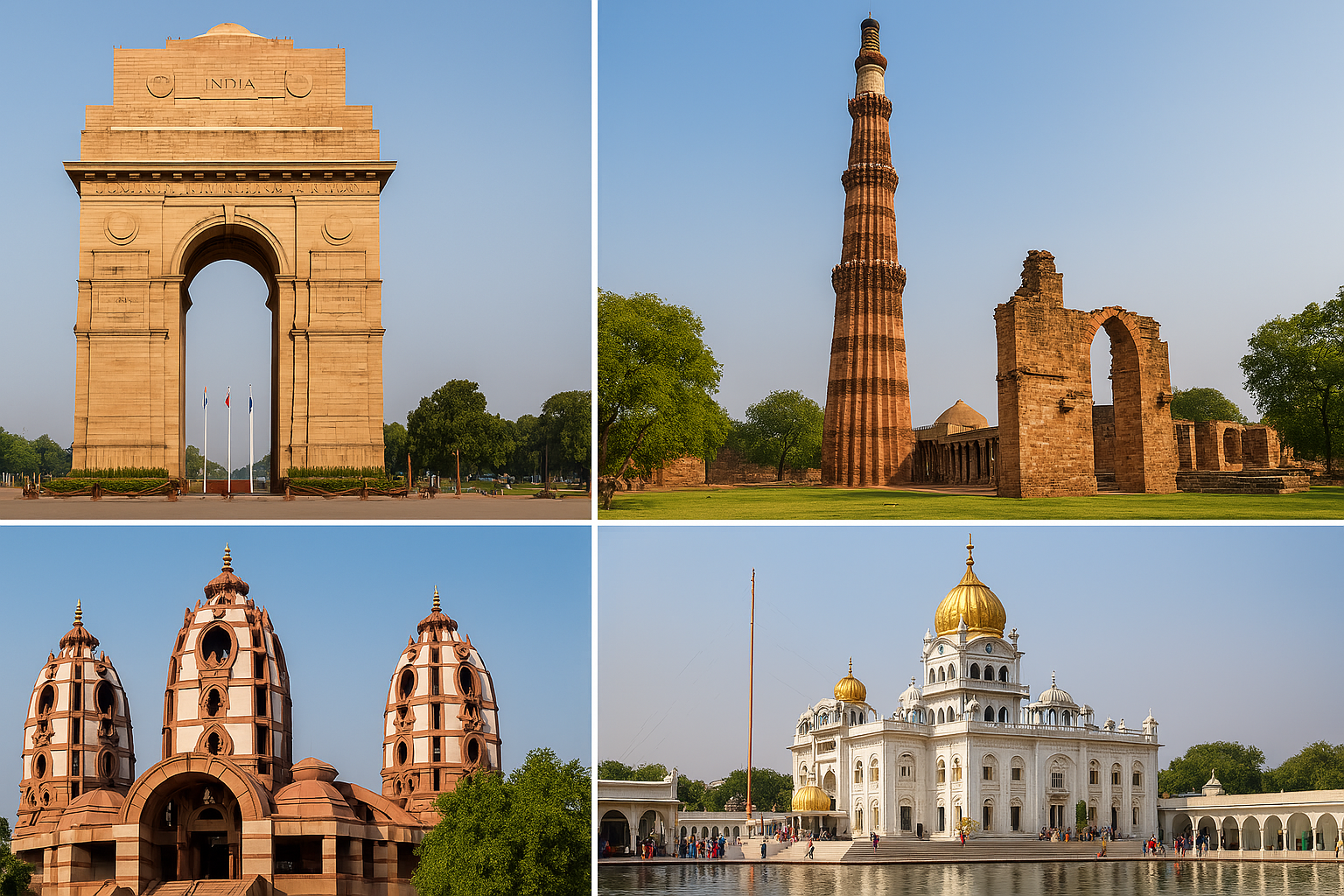
Delhi, the capital city of India, is a blend of history, culture, religiosity, food, and architecture. With strong Mughal-era monuments and bustling local markets, there is something in the city for each and every visitor. Whether you are a history enthusiast, shopaholic, or religious visitor, this list of Delhi tourist places will guide you through the best the city has to offer. List of 10 Famous Places to Visit in Delhi (2025) 1 – Red Fort 2 – India Gate 3 – Qutub Minar 4 – Chhatarpur Temple 5 – ISKCON Temple 6 – National Rail Museum 7 – Bangla Sahib Gurudwara 8 – Agrasen Ki Baoli 9 – Sarojini Nagar Market 10 – Pragati Maidan Red Fort – India’s Pride Red Fort is a most popular Delhi tourist places, constructed with exquisite red sandstone and featuring detailed Mughal architecture. You can find museums, traditional crafts, imitation jewelry, and the thronged Meena Bazaar within. The breathtaking carvings and massive courtyards will leave you breathless. Do not forget to catch the light and sound show at dusk – it is magic! Built by: Emperor Shah Jahan Entry Fee: Free for kids under 15 years; ₹10 for Indians; ₹250 for tourists Opening Hours: 9:00 AM – 6:00 PM (Closed on Mondays) Closest Metro Station: Chandni Chowk Distance from Airport: 20 km Places of Interest nearby: Digambar Jain Temple, Sis Ganj Gurudwara, Paranthe Wali Gali Pro Tip: Get there early in peak season to avoid queuing. India Gate – Tribute to the Brave India Gate is a war memorial for Indian soldiers who sacrificed their lives in World War I. Fire-burning Amar Jawan Jyoti is available here day and night. Surrounded by sufficient lawns and patriotic surroundings, this is one of the most famous places to visit in Delhi. Built by: Edwin Lutyens Entry Fee: Free Timings: 24/7 Nearest Metro: Central Secretariat Distance from Airport: 14 km Attractions nearby: National Gallery of Modern Art Best Time to Visit: October to March Tip: This is Perfect for family picnics – take your food along and enjoy the scenery. Qutub Minar – A Towering Heritage A World Heritage Site, the Qutub Minar is one of the world’s tallest brick minarets. The monument was built by Qutb-ud-din Aibak, showcasing Indo-Islamic architecture. Do not miss the rust-resistant Iron Pillar in the vicinity! Built by: Qutb-ud-din Aibak Entry Fee: Free for children under 15 years; ₹10 for Indians; ₹250 for foreigners Timings: 7:00 AM – 5:00 PM (Closed on Mondays) Nearest Metro: Qutub Minar Distance from Airport: 13.8 km (36 mins) Nearby Spot: Chhatarpur Temple Travel Tip: Even though the destruction that happened in the past, it still does make it one of the most popular Delhi tourist spots. Chhatarpur Temple – A Peaceful Escape Situated in South Delhi, the Chhatarpur Temple is a serene place of worship covering 70 acres of land. This Goddess Katyayani temple contains exquisite idols of numerous gods. It’s a spiritual haven of peace. Built by: Baba Sant Nagpal Hours of operation: 4:00 AM – 11:00 PM Nearest Metro: Chhatarpur Distance from Airport: 12.2 km (33 mins) Tip: Appreciate the intricate design and sacred ambiance. Also Read: 36 Famous Festivals of India: National and Religious Festivals in India 2025 ISKCON Temple – Spiritual and Cultural Complex Committed to Radha and Lord Krishna, the ISKCON Temple in Delhi is not only a religious site but also has a restaurant, museum, and event facilities. The temple appears stunning in the evening, particularly during Janmashtami. Built by: International Society for Krishna Consciousness (ISKCON) Opening hours: 4:30 AM – 8:30 PM Closest metro station: Nehru Place (Violet Line) Tip: Attend evening aarti for a religious experience of bhajans and lights. National Rail Museum – Trainspotter’s Paradise One of the most interesting family and child-friendly Delhi tourist places, the National Rail Museum features old trains such as toy trains, diesel, and steam locomotives. Some trains even offer short joyrides! Entry Fee: ₹20 Timings: 9:30 AM – 5:30 PM (Closed on Mondays and public holidays) Nearest Metro: Dhaulakuan Distance from Airport: 8.1 km (21 mins) Must-Do: Take pictures and explore the royal carriages and rare engines. Bangla Sahib Gurudwara – Inner Peace in the City A tranquil oasis amidst the mayhem of Delhi, the Bangla Sahib Gurudwara is renowned for its sacred sarovar (pond), langar (community kitchen), and white marble complex. It also houses a museum, hospital, and library. Built by: General Sardar Bhagel Singh Entry Fee: Free Timings: Open 24/7 Nearest Metro: Rajiv Chowk Distance from Airport: 13 km (28 mins) Close by: Rakab Ganj Gurudwara, Birla Mandir Tip: Go post-sunset to escape scorching marble floors during summer. Agrasen Ki Baoli – A Stepwell with Tales Made popular by Bollywood films such as PK, Agrasen Ki Baoli is a centuries-old stepwell that’s famous for its unusual architecture and mystical aura. It’s also said to be haunted, making it a hotspot for adventure-seekers! Built by: King Agrasen Timings: 9:00 AM – 5:30 PM Nearest Metro: Barakhamba Road or Rajiv Chowk Distance from Airport: 16.5 km (35 mins) Tip: Perfect for aesthetic photography and offbeat travel stories. Sarojini Nagar Market – Shop Till You Drop Haggling is the order of the day if you are a haggler. Sarojini Nagar Market is a shopper’s delight and haggler’s heaven. You will find everything trendy and export surplus branded products at affordable prices. Timings: 10:00 AM – 9:00 PM (Closed on Mondays) Nearest Metro: INA Metro Station Distance from Airport: 9.9 km (27 mins) Tip: Bargaining is key! Shop smart and explore the street food around. Pragati Maidan – Delhi’s Mega Exhibition Center Pragati Maidan is Delhi’s largest exhibition and convention center, spread over 150 acres. It hosts national and international trade fairs, expos, and cultural events. The complex includes lush lawns, walkways, and outlet spaces. Architect: Raj Rewal Entry Fee: Event-based (From ₹9914 for packages) Timings: According to event schedule Nearest Metro: Pragati Maidan Distance from Airport: 15.9 km (33 mins) Tip:

36 Famous Festivals of India: National and Religious Festivals in India 2025
India is a rich tapestry of hues, cultures, and age-old festivals. With almost every day on the calendar, there is a festival that converts roads into processions of joy, houses into palaces of light, and hearts into cups of collective bliss. From the snow-clad peaks of Himachal to Kerala’s beaches where the sun rises high, the beat of celebration never stops — every corner of the country has its own method of bringing people together in the guise of stories, rituals, and celebration. What is so captivating about these festivals is the sheer diversity they represent. They transcend state boundaries, religions, and languages to create a living mosaic of unity in diversity. Wild or small, large or sorrowful, each fest is throbbing with meaning — and always with a feeling of belonging. So if you’re prepared to dive into the colors, tastes, rhythms, and sacred traditions of Indian existence, here’s a warmly selected guide to 36 of India’s most celebrated festivals of India, along with dates and highlight moments. Because in India, each festival is not only for a day — it’s a tale, a memory, a shared pulse. List of 36 Major Festivals in India 2025 (With Dates) Here’s a quick overview of the biggest religious and national festivals in India for 2025: Month Festival Date Day January Makar Sankranti / Pongal 14 Jan Wednesday February Vasant Panchami 2 Feb Sunday February Thaipusam 11 Feb Tuesday February Maha Shivaratri 26 Feb Wednesday March Holika Dahan 13 Mar Thursday March Holi 14 Mar Friday March Hindi New Year 29 Mar Saturday March Ugadi / Gudi Padwa / Telugu New Year 30 Mar Sunday April Ram Navami 6 Apr Sunday April Hanuman Jayanti 12 Apr Saturday April Baisakhi / Vishu 14 Apr Monday April Bengali New Year / Bihu / Tamil New Year 14 Apr Monday May Akshaya Tritiya 30 May Friday May Buddha Purnima 11 May Sunday June Jagannath Rath Yatra 27 June Friday July Guru Purnima 10 July Thursday August Raksha Bandhan 9 Aug Saturday August Janmashtami 16 Aug Saturday August Ganesh Chaturthi 26 Aug Tuesday September Onam 5 Sept Friday September Durga Ashtami 30 Sept Tuesday October Dussehra 2 Oct Thursday October Diwali 20 Oct Monday October Govardhan Puja 22 Oct Wednesday October Chhath Puja 27 Oct Monday November Gurpurab 5 Nov Wednesday December Christmas 25 Dec Thursday Most Celebrated Festivals of India (You Shouldn’t Miss) Diwali – The Festival of Lights Date: 20th October 2025 (Monday) Where: Celebrated across India Highlights: Diyas, fireworks, sweets, family gatherings No other festival captures the spirit of India like Diwali. Streets glow with oil lamps, homes are cleaned and decorated, and families come together for puja and sweets. It celebrates the return of Lord Rama after 14 years in exile. If you’re in India during Diwali, you’re in for a sparkling treat! Holi – The Festival of Colours Date: 14th March 2025 (Friday) Where: Northern India is a hotspot – especially Vrindavan & Mathura Highlights: Playing with colors, bhang, dancing, Holika bonfire This iconic celebration marks the triumph of good over evil and welcomes spring with open arms and powdered hues. It’s one of the most internationally recognized festivals in India and is truly an experience for all your senses. Dussehra – The Victory of Good Over Evil Date: 2nd October 2025 (Thursday) Where: All across India, especially Mysore & Kullu Highlights: Ram Lila, Ravan Dahan, cultural processions Dussehra is all about the victory of Lord Rama over the demon king Ravana. Watch epic stage plays, fireworks, and vibrant parades celebrating righteousness and courage. Navratri – Nine Nights of Devotion and Dance Date: 30 March to 7 April 2025 Where: Best enjoyed in Gujarat, Mumbai, and Delhi Highlights: Garba nights, dandiya, fasting, traditional wear Navratri brings nine nights of nonstop dance and devotion. Fasting, spiritual reflection, and electric Garba beats fill the air. It’s one of those festivals of India where tradition and party spirit go hand-in-hand! Durga Puja – The Spirit of Bengal Date: 28 September – 2 October 2025 Where: Kolkata is the soul of this festival Highlights: Pandal hopping, Durga idol immersion, feasts For Bengalis, Durga Puja is bigger than life. Art meets spirituality with larger-than-life idols, majestic decorations, and traditional dances that make it one of the grandest festivals in India. Janmashtami – Celebrating Krishna’s Birth Date: 16 August 2025 (Saturday) Where: Mathura and Vrindavan Highlights: Krishna jhankis, Dahi Handi, temple decorations Temples come alive with midnight prayers, devotional songs, and energetic “Dahi Handi” competitions. Children dress as little Krishnas and Radhas—it’s both adorable and deeply spiritual. Ganesh Chaturthi – Lord Ganesha’s Birthday Date: 26 August 2025 Where: Mumbai and Maharashtra lead the celebration Highlights: Huge Ganesha idols, Visarjan processions, music, and dance Eleven days of pure joy, music, and devotion! Lord Ganesha is welcomed into homes and streets, worshipped daily, and then farewelled with massive processions to the sea. Gurpurab – The Sikh Festival of Light and Wisdom Date: 5 November 2025 (Wednesday) Where: Punjab, Delhi, and Sikh communities globally Highlights: Langar, Nagar Kirtan, decorated Gurudwaras Marking the birthdays of Sikh Gurus, Gurpurab is a spiritual experience. From soulful hymns to community kitchens serving free meals to all, it’s a day filled with peace and compassion. Also Read: Top 5 must visit Pilgrimage places in India Raksha Bandhan – A Thread That Binds Love Date in 2025: 9th August (Saturday Where: Widely celebrated in North, Central & West India Why It Matters: Celebrates the bond of love and trust between brothers and sisters. Don’t Miss: The colorful rakhis, bustling markets, and of course, delicious sweets! What To Do: Celebrate with your siblings and keep the spirit of care and support alive. Raksha Bandhan is one of the most cherished festivals in India, especially among siblings. It’s a beautiful ritual where sisters tie a sacred thread (rakhi) on their brothers’ wrists, praying for their well-being. In return, brothers vow to protect their sisters and shower them with gifts. Eid-Ul-Fitr – A Sweet Ending

The Perfect 3-Day Goa Itinerary: Ultimate Guide for 2025
Goa. If you’ve been there, you probably know what I mean when I say it’s often misunderstood. On my first adult trip, I found myself at one of those “offbeat” beaches everyone talks about. But let’s be honest—it was already packed with tourists, and it didn’t give me that magical Goa feeling. Little did I know that a 3-day Goa itinerary could be the perfect way to experience the true essence of the place, away from the crowds and the typical tourist spots. The beach shacks felt lifeless, the food was a confusing mix of everything, and the crowds made me think, “Maybe Goa isn’t for me after all.” But then, I went back. This time, I approached it differently. I wanted something slower, something deeper. That’s when I truly experienced the real Goa. I stayed at Cancio’s House, a 500-year-old homestay in the peaceful village of Aldona. It felt like stepping into another world—one where time moved slowly and the air was filled with stories. The family living there, with their rich history and old traditions, opened up the heart of Goa to me. I was introduced to the beautiful Goan way of life called susegad—a life of calm, contentment, and taking things one step at a time. We spent our days walking through rain-soaked streets, riding scooters aimlessly, chatting with the hosts, and simply observing life without rushing. And that’s when it hit me—travel is about more than ticking off famous landmarks. It’s about embracing the pace of a place and soaking up the stories that make it special. It’s about slowing down for just a few days and letting the destination show you its soul. So, after years of coming back to Goa, I’ve realized that slow travel isn’t about how much time you have—it’s about how you choose to spend it. And that’s why I’ve put together this simple, relaxed 3-day Goa itinerary to help you experience the Goa I fell in love with. A Relaxed 3-Day Goa Itinerary for Travel Lovers Whether you’re exploring North Goa or South Goa, this itinerary is designed for those who want to embrace the slower side of life, connect with locals, and discover the little hidden gems that make Goa so special. Where to Stay in North Goa Finding a place to stay in Goa can be tricky, especially with the rise of remote work and mass tourism. Prices are going up, and sometimes it feels like the personal touch is lost. That’s why I recommend staying at these spots, which offer more than just a bed—they give you a taste of the true Goa: Cancio’s House, Aldona – This 500-year-old homestay is the perfect place to experience authentic Goan life. The Amaral family has lived here for generations, and you’ll feel right at home as you enjoy home-cooked meals and explore the charming village around you. Siolim House, Siolim – A beautifully restored 17th-century Goan home, now a boutique hotel. It blends history with comfort, giving you a truly unique stay. Jardin d’Ulysse, Morjim – A cozy beachside retreat that’s perfect if you’re looking for a place to work remotely, grab a healthy bite, and relax to the sound of the waves. Botanique, Assagao – A peaceful, laid-back spot with incredible food and a calming atmosphere, ideal for a relaxed stay. These places offer more than just a roof over your head—they allow you to connect with the heart of Goa. Where to Eat in North Goa Food in Goa? Absolutely essential. Some of my favorite spots for authentic Goan meals include: Kokni Kanteen – Here, you’ll get a classic Goan thali and a taste of Saraswat cuisine. Trust me, it’s a treat you won’t forget! Mum’s Kitchen – A gem in Panjim that celebrates Goan traditions. It’s one of the best places I’ve ever eaten at in Goa. The Local Table – If you’re after a great breakfast, this spot serves up some of the best patal bhaji in the region. For a healthier, plant-based meal, check out vegan-friendly spots like Bean Me Up in Vagator, Moka in Siolim, and Bloom & Brew in Assagao, where the food is organic and nourishing. Also Read: Top 5 Best Famous Beaches in India: You Should Visit How to Spend 3 Relaxed Days in North Goa Day 1: Start with a Slow Exploration Begin your first day by slowing down. If you’re staying in Aldona or Saligao, take a long, peaceful walk around the village. Explore the old Goan homes, wander past lush rice paddies, and maybe stop by a local bakery to pick up some fresh poi (Goan bread). Don’t rush—just absorb the sights, sounds, and pace of village life. If you feel like doing something a bit more adventurous, head to Chorao Island for a cycling or e-bike tour. It’s quiet and full of natural beauty, with mangroves and charming old houses to explore. In the afternoon, drop by Good Karma in Vagator, Goa’s first thrift store, for some secondhand shopping and to support local nonprofits. It’s a feel-good way to spend your time! Day 2: Dive Into Nature Get an early start and venture into the Western Ghats for a hike. You can swim in a secret waterfall or explore serene, forested swimming holes. Local tour companies like Beatroute Explorers and The Local Beat take you deep into Goa’s wilderness, showing you the side of the state that most tourists miss. A homemade lunch with a local family will add to the experience. Day 3: Enjoy the Beach and Try Surfing By now, you’ve soaked in enough of Goan culture, and it’s time for some beach relaxation. Head to Mandrem for a surf lesson with Salty Soul. The waves here are gentle, making it perfect for beginners. Wrap up your day by relaxing on Morjim or Ashwem Beach. Take a walk along the beach at sunset, enjoy the peaceful vibe, and just slow down. South Goa: The Quieter, Slower Side of Goa If you’re craving a
Ooty Travel Blog: Our Incredible 3-day Trip
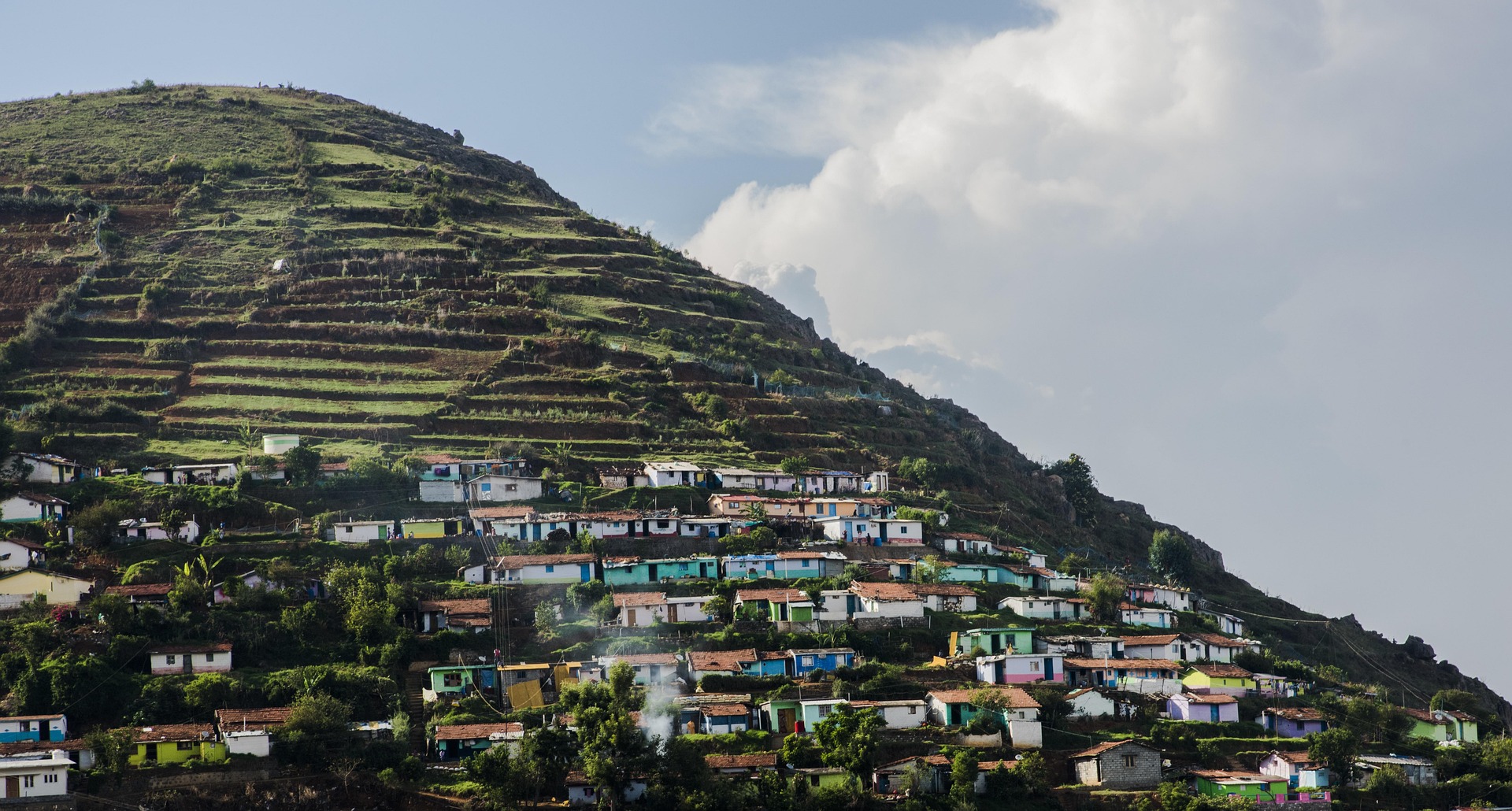
Sitting by the pavement on our campus, we were all buzzing with excitement. Our phones were out, with one person sorting out the transport, another calculating the itinerary budget, and me? I was busy hunting for affordable homestays in Ooty. We had everything planned—well, kind of—but little did we know that our trip would turn into an adventure full of surprises and unexpected twists. Here’s the story of our trip to Ooty, Tamil Nadu, and all the moments that made it so unforgettable. Let’s start our Ooty travel blog. Ooty Travel Blog: Picturesque Views on the Peaks As we ascended the hills of Ooty, winding through the narrow hairpin curves, it felt like we were entering a different world. We stuck our heads out of the car windows, feeling the cool mountain breeze on our faces, and made several stops to snap pictures. The buildings, nestled on the steep slopes, painted a colorful backdrop that made it even more surreal. Having never been to Ooty before, I couldn’t get enough of the place—the simple streets, the tiny curvy roads, and yes, the chocolates. Everywhere we went, we were surrounded by chocolate shops. Ooty, it seemed, was a dream destination for sweet tooths! Ooty Travel Blog: A Smooth Start to an Eventful Journey There were eight of us—my branch mates from college and a couple of hostellers. We’d just finished our term exams, and with a whole week off, we thought, why not explore? It had been ages since we’d taken a trip, and after the pandemic, this felt like the perfect opportunity. We rented a car for six of us and decided to take a Royal Enfield along for the ride. The group was set—two on the bike, six in the car. The 6-hour journey from Bangalore to Ooty started early, with a pit stop for breakfast at a vegetarian restaurant along the way. Driving through Mysore and Bandipur Tiger Reserve, we finally made our way to Tamil Nadu, where the real adventure began. Narrow, winding roads, blind spots, and dense fog made the drive both thrilling and terrifying. Thankfully, one of my roommates, an excellent driver, took the wheel. I was relieved because navigating these curves was no easy task! The Other Way to Get There A fun fact I learned: self-driving rental cars are banned in Ooty. You’ll need to call up a local cab service for a tour, and they’ll provide a chauffeur-driven ride. While we had rented a car for our trip, we realized that the alternative—taking the Nilgiri Mountain Railway (NMR)—would have been a spectacular way to see Ooty. The NMR is a World Heritage site and offers stunning views on the 5-hour journey from Coimbatore to Ooty. I wish we had taken the train! The Great Stay Mix-Up I had booked our stay from Booking.com well in advance. We were looking for budget options and settled on one that seemed perfect for our needs—until we got there. The location was terrible, with barely any view of the slopes. So, we decided to make a change and asked our hosts for help. They arranged a villa for us, nestled in the higher slopes of the town. The view was breathtaking, and the price was reasonable. Pro tip: If you’re booking your stay in Ooty, make sure it’s on the higher slopes overlooking the town. The prices aren’t much different, and the view is worth every penny! Bandipur Tiger Reserve: A Wildlife Encounter The drive through the Bandipur Tiger Reserve was one of the most exhilarating parts of the trip. We couldn’t stop in the reserve, but we kept our eyes peeled, hoping for a glimpse of some wildlife. While we didn’t see any tigers, we were lucky enough to spot deer, elephants, and peacocks. The reserve was as beautiful as it was thrilling, with lush greenery surrounding us on all sides. Day 1 in Ooty: Starting with a Bang By the time we reached Ooty, it was already afternoon. Our hosts recommended a local restaurant, but it turned out to be a bit more expensive than we had anticipated. At Rs. 350 per person for a simple meal, we realized we needed to be careful with our spending. After that, we checked into our new villa on Tiger Hills, and I have to say, it was perfect. The view behind the villa was stunning, and we knew we’d made the right decision. Later that evening, we headed to the Ooty markets. To our surprise, the market was much more charming than I expected. There was a plastic ban in place, which made the place cleaner and more pleasant. We strolled around, buying chocolates, hot drinks, and even a couple of beanies for the chilly evenings. Day 2: Touring Ooty Day two was all about exploring the beauty of Ooty. After a lazy morning, one of my friends and I decided to take a walk up the hill where we were staying. We passed by local houses and kids playing with firecrackers and eventually reached a hidden viewpoint that gave us a breathtaking view of Ooty below. The air was crisp, and the stillness made it even more magical. Next up, we visited Doddabetta Peak, one of the highest points in Ooty. On our way, we stopped at a chocolate and tea factory, where we learned about the chocolate-making process and got to taste some local treats. The visit was short but sweet, and we left with some chocolate bars as souvenirs. After the factory, we made our way to Pykara Lake. While the lake itself wasn’t anything extraordinary, the surrounding pine trees and the playful monkeys made it a nice stop. Ooty Lake Boating: A Fun Finale We ended the day with a visit to Ooty Lake, where we went for a paddle boat ride. While it wasn’t the most exciting activity, it was fun and gave us a relaxing way to wind down the day. We also stopped by the markets again to
Recipe Of Bhatt Ki Churkani – Step by Step
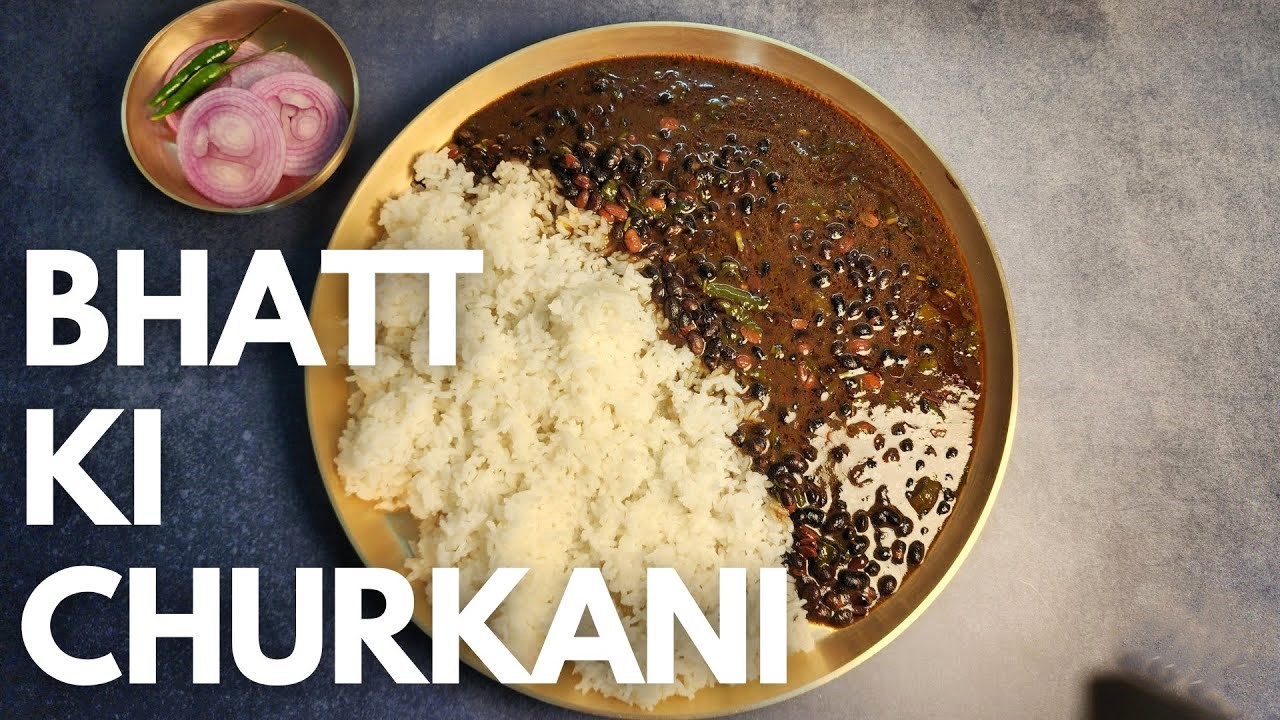
Nestled in the beautiful hills of Uttarakhand, Kale Bhatt, also known as soybean dal, is a local gem that holds a special place in the hearts of Kumaoni people. It’s not just a dish but a part of the cultural fabric of the region. When it comes to special occasions, no celebration is complete without Bhatt Ki Churkani. This flavorful and nutritious dish is not only easy to prepare, but it also comes packed with numerous health benefits, including high fiber content that helps in reducing cholesterol levels. Let’s take a deep dive into the recipe for this Kumaoni delicacy. Bhatt Ki Chudakani – A Step-by-Step Guide Ingredients: Oil (for frying) Salt (to taste) Turmeric powder (to taste) Red chili powder (to taste) Flour (1 handful) Jakhiya (a type of mustard seed native to Uttarakhand) Onion (finely chopped) Tomatoes (finely chopped) 300 grams of Kale Bhatt (black soybeans) Method: Fry the Kale Bhatt: Start by carefully picking out any stones from the black bhatt. If you prefer, soak the black bhatt in water overnight. However, you can also prepare it by frying it directly. To do this, heat some oil in a pan and fry the black bhatt. You’ll know it’s ready when you start hearing a slight popping sound. At this point, it means the bhatt is properly cooked. You can also taste it to ensure it’s just right. Prepare the Spice Mix: Heat more oil in a separate pan and add jakhiya (a type of mustard seed). Once the jakhiya starts to splutter, add finely chopped onions and sauté them until they turn golden brown. Add chopped tomatoes to the mix and cook until soft. Now, add salt, red chili powder, and turmeric powder according to your taste. Fry this spice mixture for a few more minutes until the flavors meld together. Make the Flour Mixture: Take a small bowl and mix flour with 1-2 cups of water, stirring continuously. The mixture should become thick. Now, pour this mixture into the pan with the spices, stirring to combine. Continue cooking this mixture while stirring until it begins to bubble. Combine Everything: Add the fried black bhatt into the pan with the spice and flour mixture. Cook the dal on low heat for about 15-20 minutes, allowing the flavors to come together and the bhatt to become tender. The final dish should have a deep, dark black color, and the curry will thicken. Serve: Once the bhatt is soft and the curry has thickened, your Bhatt Ki Chudakani is ready to be served! It pairs wonderfully with hot, steamed rice for a wholesome, satisfying meal. Bhatt Ki Chudkani Recipe Card Total Time: 30 minutes Preparation Time: 10 minutes Cooking Time: 20 minutes Servings: 4 Cuisine: Indian (Uttarakhand) Calories: 125 per serving Cooking Level: Medium Final Thoughts: Bhatt Ki Churkani is not just about the ingredients but about the story and tradition behind it. This Kumaoni dish is a perfect example of how simple ingredients, when combined with care and love, can create something so rich in flavor and heritage. Whether you’re cooking it for a special occasion or simply looking for a nourishing, hearty meal, this dish will bring the authentic taste of the hills straight to your kitchen. Have you tried making Bhatt Ki Chudakani before? If not, now’s the time! We’d love to hear about your experiences in the comments below. Stay connected for more delightful recipes from Uttarakhand and beyond! Also Read: Vegetable Masala Maggie Recipe: Step by Step